News
-

ELD (Local Distribution Company)
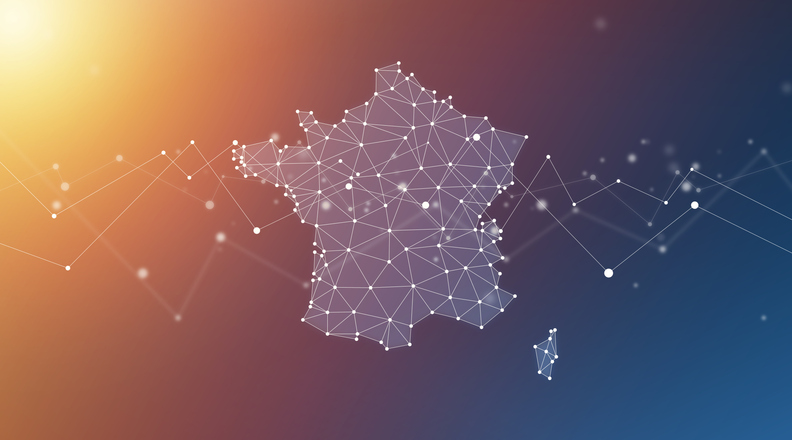
The decentralisation of networks and the diversity of local operators have created a French electricity landscape that is more diverse than it appears. Beyond Enedis, local Distribution Companies (ELD in French) – also known as local energy companies (ELE in French) – manage and often supply electricity (and sometimes gas) in specific areas. Present in…
-

RTE (Electric Transmission Network Operator)
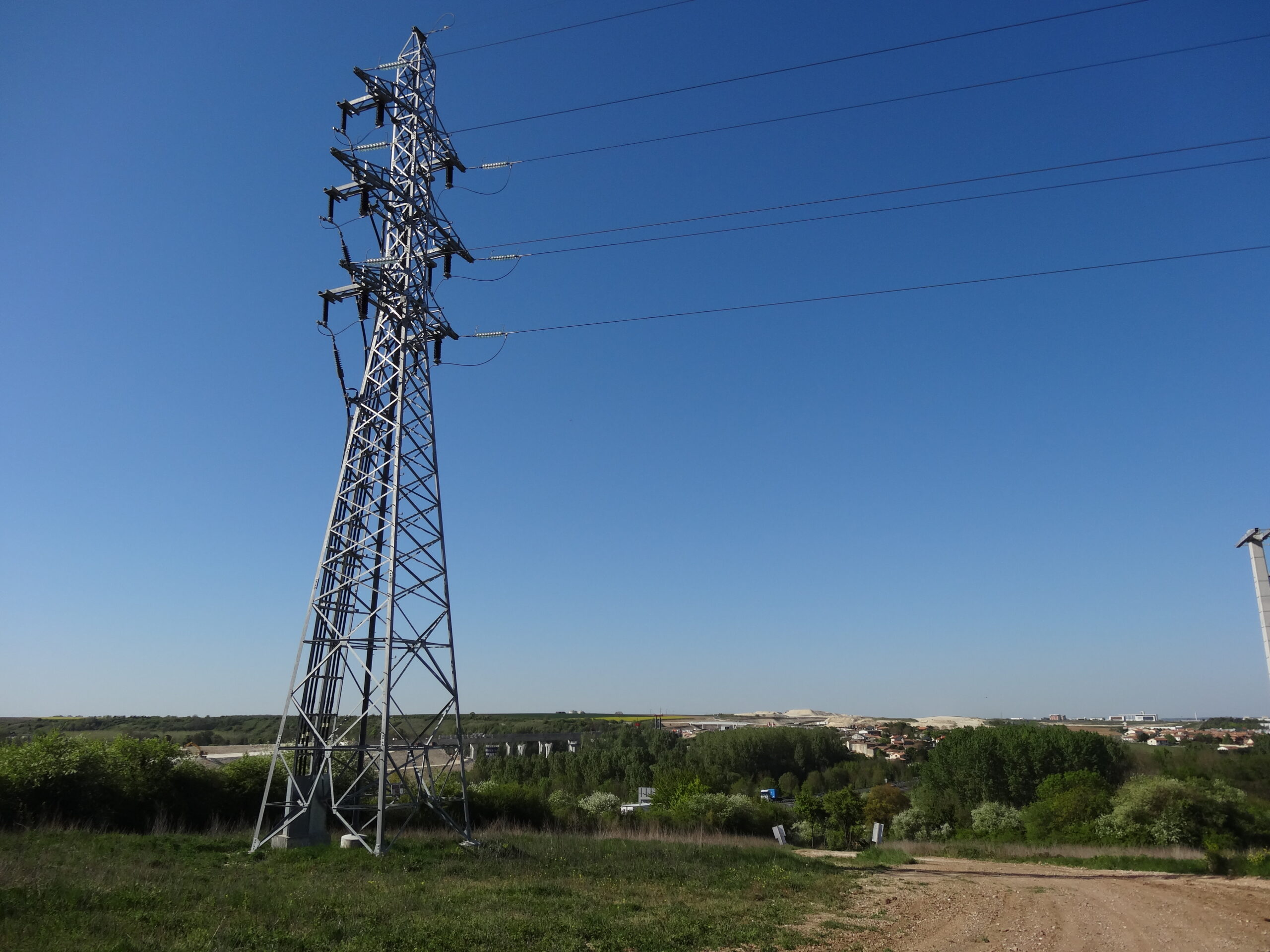
In France, the strategic role of balancing the national electricity system is entrusted to RTE, the Electric Transmission Network Operator. As the public transmission network operator, RTE provides a 24/7 public service at national and European level, thanks to interconnections that make the system more robust. This article explains RTE‘s status and missions, how the…
-

DSOs (Distribution System Operators)
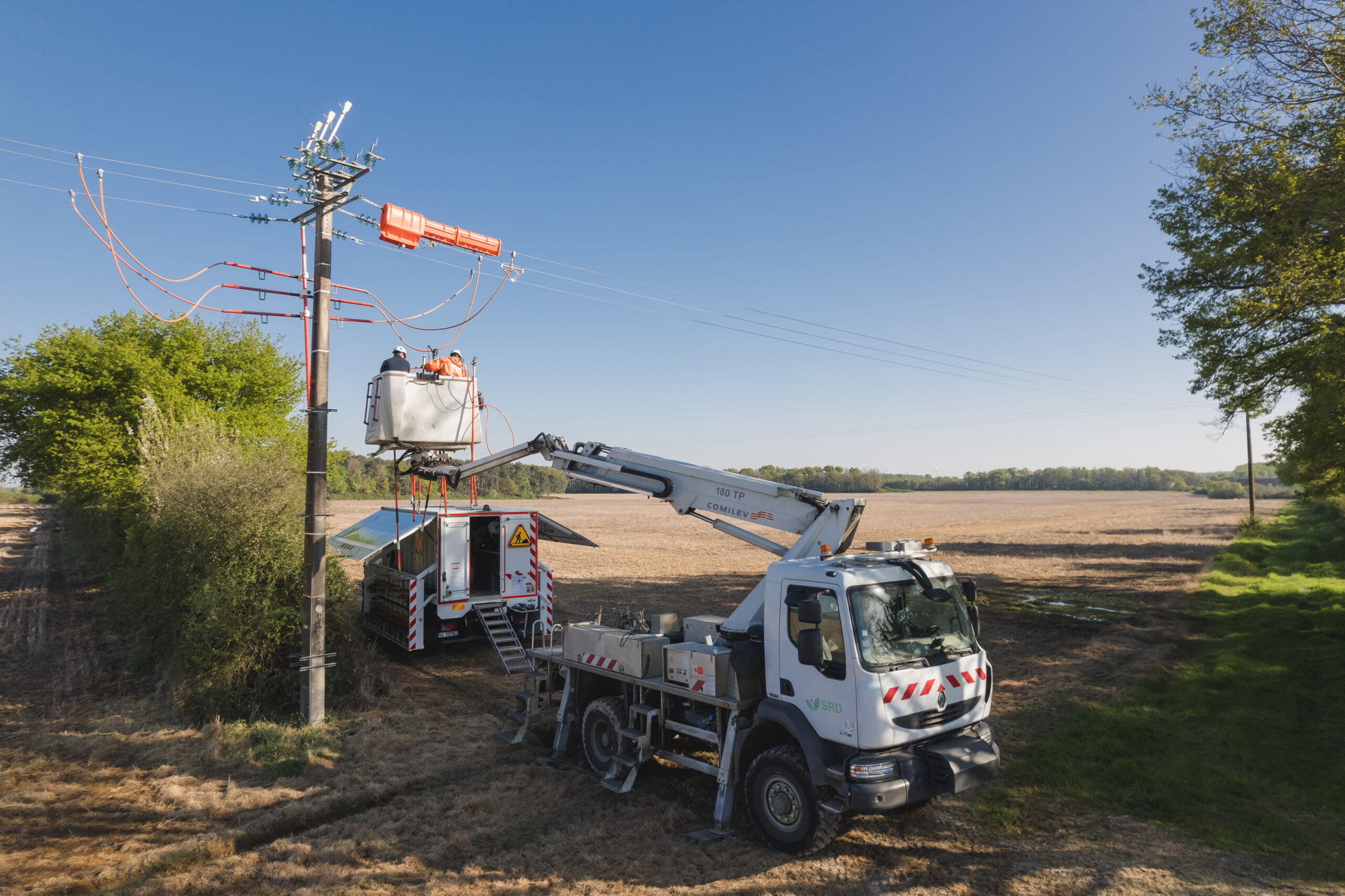
The French electric system is based on a complex architecture involving numerous players: producers, transporters, suppliers, consumers and institutional players. At the heart of this organisation, distribution system operators (DSOs) play an essential role in ensuring the continuity and quality of the electricity supply. But what exactly does this function entail? What are its responsibilities…
-

PRM (Measurement Reference Point): role and uses
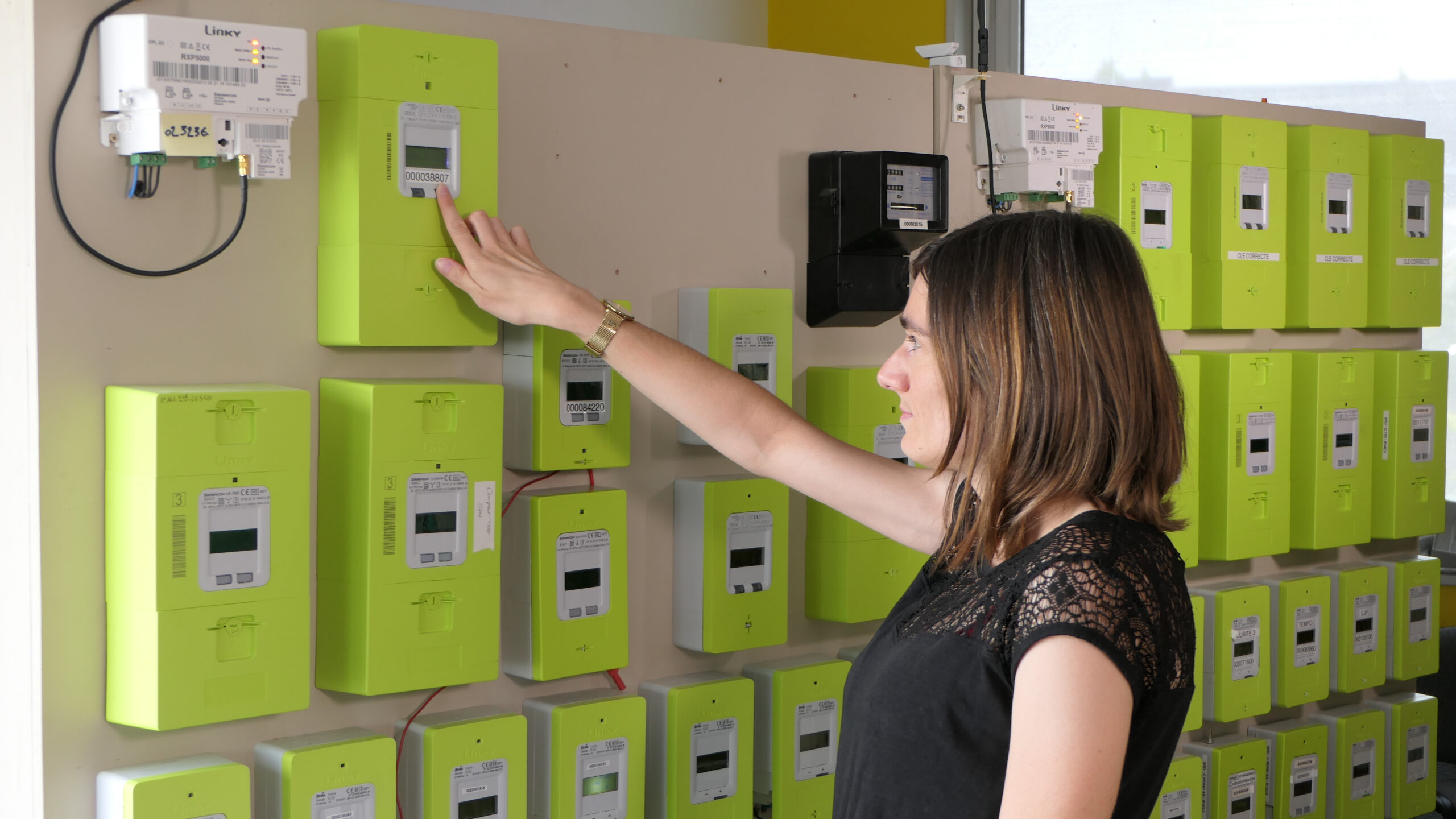
In a context where the digitisation of energy infrastructure is accelerating, meter data management is becoming a strategic issue. Correctly identifying meters and their associated information is essential for optimising consumption and managing contracts. However, confusion is common between meter numbers, PDL and PRM. This article explains what a PRM (Measurement Reference Point) is and…
-
Who is ALTSIS?
ALTSIS offers smart solutions to players in the energy sector, enabling them to collect and store large volumes of data, as well as transform and enrich it before making it available to various users.
-

Load profils: a key performance tool
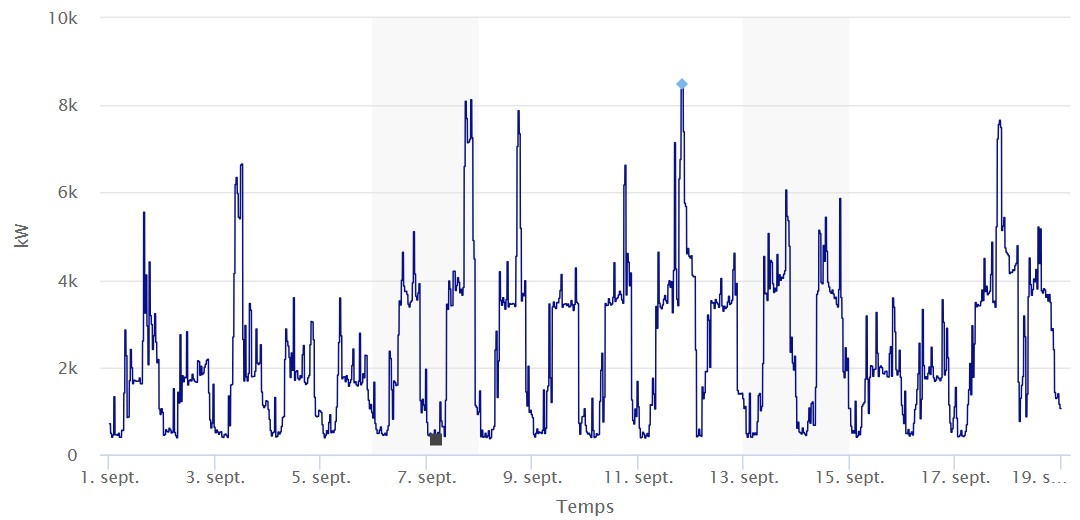
Load profils, generated by smart meters (Linky for residential properties), are a strategic tool for understanding the energy dynamics of a site. The energy transition and cost pressures require businesses and local authorities to conduct detailed analyses of consumption profiles. Generally, this data is provided by DSOs such as Enedis or Local Distribution Companies (ELDs),…
-

Tariff for the use of the public electricity network
Your electricity bill does not depend solely on the price per kilowatt hour. An increasing proportion of the total amount corresponds to the costs of transporting electricity, i.e. the use of public transmission and distribution networks in the distribution of electricity. For large consumers (industrial or tertiary sector players), local authorities or SMEs, understanding tariff…
-

Smart Metering: for intelligent energy management
The energy transition and the digitisation of infrastructure are revolutionising the way we produce, consume and manage energy. In this context, smart metering is emerging as a key technology for meeting the challenges of energy efficiency, effectiveness and network management. In France, the widespread rollout of Linky smart meters for residential use illustrates the evolution…
-

Delevery point: energy management lever
In the energy sector, the traceability of metering points is essential to ensure data reliability and smooth operations. The delivery point (PDL in French) plays a central role in this logic. It allows each site supplied with electricity to be uniquely identified. For suppliers, distribution system operators (DSO) and customers, this identifier is essential for…
-

MDM: everything you need to know about Meter Data Management
The widespread adoption of smart meters such as Linky has led to an explosion in the volume of data available to energy companies. Although rich, these data streams only become valuable if they are structured, analysed and exploited intelligently. This is where Meter Data Management (MDM) software solutions come in: a strategic building block for…
-

Smart Grids: challenges and the role of data
The energy transition is disrupting traditional models of electricity production and distribution. The massive integration of renewable energies, the rise of collective self-consumption and the need to balance the grid require increased flexibility and intelligent grid management. It is in this context that smart grids, or intelligent electricity networks, take on their full importance. These…