The widespread adoption of smart meters such as Linky has led to an explosion in the volume of data available to energy companies. Although rich, these data streams only become valuable if they are structured, analysed and exploited intelligently. This is where Meter Data Management (MDM) software solutions come in: a strategic building block for transforming meter data into levers for efficiency, management and service.
This article revisits the definition of MDM, its benefits, concrete use cases, and Altsis’s expert approach.
What is MDM (Meter Data Management)?
A Meter Data Management system is a software solution dedicated to the centralised management of metering data from smart metering systems.
It is an essential building block in the digital architecture of smart grids. This system transforms raw data streams into usable information for the energy industry.
Unlike simple storage or monitoring tools, MDM structures data to enable reliable, secure and sustainable use.
It acts as a real driver for data enhancement. It ensures data quality, traceability and availability for various business uses.
Its main functional components are:
- Multi-source data collection (electricity, gas, water, heat), in real time or deferred
- Data validation and quality control (detection of anomalies, consistency, completeness)
- Historisation and regulatory retention
- Provision of data to third-party systems (billing, supervision, user portal)
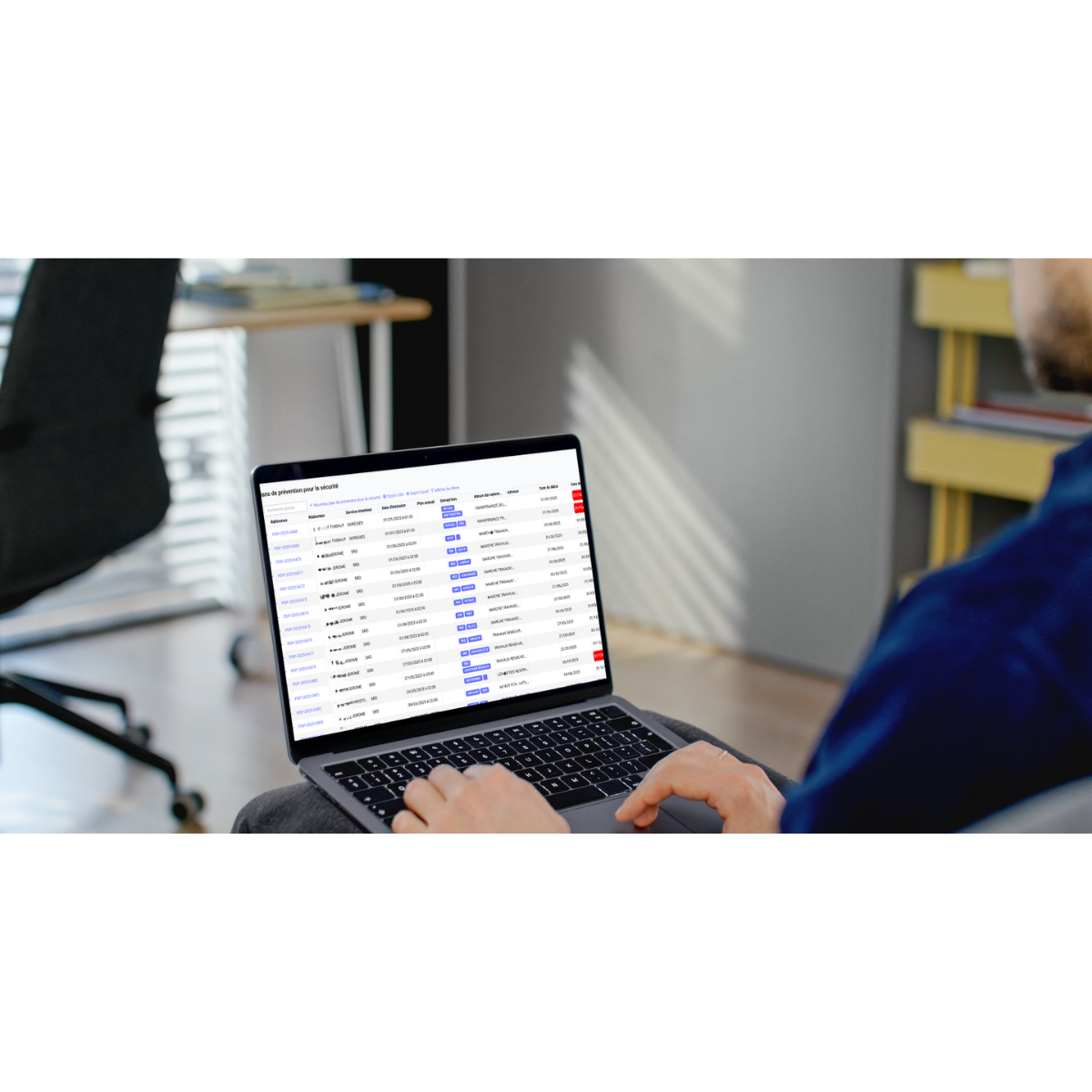
MDM can also incorporate data enrichment mechanisms (aggregation, derived calculations, standardisation). It also includes visualisation interfaces for business users.
It acts as an intelligent hub between field equipment, information systems and value-added services.

What challenges can an MDM solution help to resolve?
An MDM solution is an essential component of any information system. It guarantees the quality, security and interoperability of metering data thanks to advanced protocols and a scalable architecture.
Data reliability and quality
Counting data is often prone to errors (missing values, inconsistencies, duplicates). MDM applies validation rules to ensure its integrity, traceability and consistency over time.
It also automatically corrects certain anomalies. It reconstructs missing series, thus ensuring a reliable basis for analyses and decisions.
These validation rules are often derived from standards but can also be customised.
Security and compliance
MDM incorporates advanced security protocols to protect sensitive data throughout its lifecycle.
This includes data flow encryption, detailed authorisation management tools, strong user authentication, and access traceability.
These devices ensure the confidentiality, integrity and availability of metering data, including for mobile devices.
In terms of compliance, MDM must meet the requirements of the General Data Protection Regulation (GDPR), particularly with regard to the right of access, the right to be forgotten, and data portability.
It also facilitates regulatory reporting to the relevant authorities (CRE).
Finally, the solution can incorporate resilience mechanisms such as server redundancy, disaster recovery plans (DRPs) and regular security testing. These mechanisms ensure operational robustness in the face of cyberattacks and technical incidents.
Interoperability of MDM with the existing IS
A good MDM solution should integrate easily into the organisation’s information system thanks to open APIs, standard connectors and a modular architecture.
It can communicate with smart grid, monitoring, billing and customer relationship tools. It also ensures smooth exchanges and consistent processes.
Scalability and extensibility
MDM is designed to absorb increasing volumes of data without any loss of performance.
It adapts to changes in the meter fleet, new uses (electric mobility, collective self-consumption, flexibility) and future market requirements.
Its scalability guarantees a long-term investment.
Strategic management and data utilisation
Beyond the technical aspects, MDM enables data to be transformed into a strategic asset.
It provides consolidated dashboards and indicators that support management decisions, investment plans and energy transition strategies.

Concrete use cases for a Meter Data Management solution
Beyond the principles, the advantages of MDM are demonstrated by use cases that illustrate its operational and strategic impact.
Consumption monitoring and analysis
For Distribution System Operators, MDM enables detailed analysis of energy flows across the entire territory served. It facilitates the detection of non-technical losses, load monitoring, and network balance optimisation.
Suppliers, meanwhile, can monitor their customers’ consumption in real time, anticipate needs and offer tailored solutions.
Finally, an MDM solution provides energy-intensive manufacturers with detailed visibility of consumption by period, usage or site, facilitating energy optimisation decisions.
Optimisation of contracts and tariff periods
Energy suppliers use MDM to simulate pricing scenarios, identify periods of high consumption, and adjust their commercial offerings.
MDM also helps optimise the Tariff for Use of Public Electricity Networks (TURPE in French) by analysing consumption profiles and contracted power levels in order to reduce transmission costs.
Automation of invoicing and regulatory reporting
MDM feeds automatic billing tools with reliable, consolidated data.
It generates the regulatory reports required by the regulatory authority and simplifies transmission to the various stakeholders. This automation reduces errors and ensures compliance.
In the electricity sector, exchanges between suppliers, network operators and regulatory authorities are based on standardised flows (such as the data exchange platform).
These formats enable seamless interoperability, automated data reading, and direct integration into the information systems of the relevant parties.
The MDM ensures the conversion, validation and routing of these standardised flows. At the same time, it complies with regulatory requirements, security protocols and traceability requirements.
MDM thus becomes a technical and regulatory hub in the invoicing and compliance chain. It ensures both data quality and compliance with legal obligations.
A Meter Data Management solution improves end-user relations
Through web interfaces, MDM can offer personalised services: consumption alerts, optimisation advice, and tariff simulations. These features enhance transparency and improve user satisfaction.
For suppliers, this enables them to offer an enhanced customer experience, with real-time monitoring tools and personalised recommendations to reduce energy bills.
MDM also facilitates claims management by providing accurate, time-stamped consumption data.
Network managers, for their part, can provide aggregated data and network performance indicators to local authorities and users. In this way, they contribute to a better understanding of how the network works and to building trust.
MDM thus becomes a tool for dialogue between technical stakeholders and end users, in line with the concept of modernised public service.
What does ALTSIS offer?
ALTSIS offers software solutions to DSOs, suppliers, energy consultants and brokers, etc.
Why choose Altsis as your MDM partner?
Choosing the right MDM partner is essential to ensuring performance, compliance, and scalability. Here’s why Altsis stands out among the best providers of metering data management systems.
Recognised sector expertise
Altsis is a publisher specialising in energy systems, with in-depth knowledge of the challenges faced by network operators, suppliers and manufacturers.
Its MDM software, Opera, is the result of this expertise: a solution designed to meet the operational and regulatory requirements of the sector.
His field experience and close ties with industry players ensure a thorough understanding of business needs and regulatory constraints.
Comprehensive functional coverage
The Altsis Opera solution integrates all the essential components: collection, validation, retrieval, enrichment, and visualisation, with a modular architecture that can be adapted to any context.
It covers the entire data value chain, from the field to decision-making tools.
Among its advanced modules, Opera integrates regulatory calculation engines specific to the electricity sector. For example, it can automatically generate calculations for flow reconstruction, capacity mechanisms and the detection of non-technical losses.
This functional coverage enables Opéra to meet the operational, regulatory and strategic needs of electricity market participants. At the same time, it ensures ongoing compliance with changes in the legal framework.
Native interoperability
Thanks to its open APIs, standard connectors and compatibility with standardised electricity and gas sector data flows, Altsis MDM can be easily integrated into existing information systems.
It complies with French and European regulatory standards, particularly in terms of security, traceability and data protection (GDPR).
End-to-end project support
Altsis offers comprehensive support: scoping, integration, training, support, scalability.
Each project is carried out using a collaborative and agile approach, including phases of co-construction with business and technical teams.
The objective: to ensure rapid adoption, immediate added value, and controlled scalability.
A vision focused on innovation
Altsis invests in research and development to anticipate developments in the sector, such as the integration of data from self-consumption and flexibility management.
Its MDM is designed as a scalable platform, capable of supporting future energy transformations through regular updates.
In line with this approach, Altsis also ensures that software development standards are maintained:
- Compliance with good coding practices
- Complete documentation
- Automated testing
- Version management
- Compliance with industry software architecture standards.
This rigour guarantees the sustainability, maintainability and security of the Opéra solution in critical and regulated environments.
Meter Data Management software: a strategic lever for leveraging meter data
MDM (Meter Data Management) is much more than just a technical tool. It is a driver of performance, transparency and innovation for all players in the energy sector.
With its Opéra solution, Altsis offers a comprehensive, modular and scalable approach that can meet regulatory requirements, specific business needs and energy transition challenges.
Benefit from proven expertise
By choosing Altsis, you benefit from proven expertise, a robust solution and a committed partner to transform your data into value. Contact us to find out more about our approach or request a demonstration.