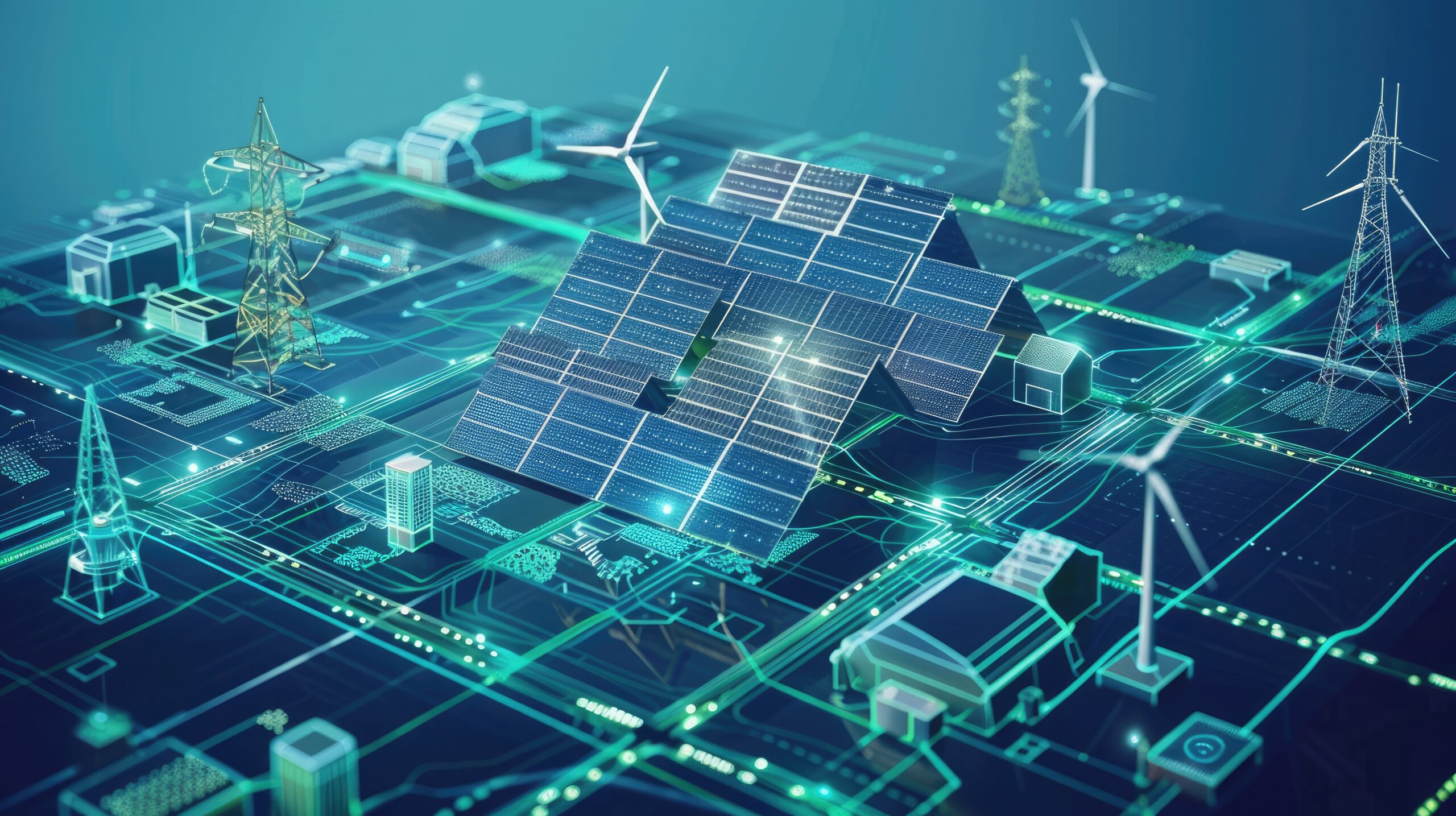
The energy transition is disrupting traditional models of electricity production and distribution. The massive integration of renewable energies, the rise of collective self-consumption and the need to balance the grid require increased flexibility and intelligent grid management. It is in this context that smart grids, or intelligent electricity networks, take on their full importance.
These connected infrastructures enable real-time control of energy flows, anticipation of needs and optimisation of the overall performance of the electrical system.
They are based on a data-driven approach, where data collection and analysis become strategic levers for ensuring network stability and efficiency.
In this article, we will explain what smart grids are, their benefits for energy stakeholders, and the central role of data in their operation. In addition, we will see how solutions such as Altsis’ Opéra are supporting this revolution.
Definition and principles of smart grids
Smart grids, or intelligent electricity networks, refer to infrastructures that integrate digital technologies, sensors and advanced communication systems to make electricity distribution more flexible, efficient and interactive.
Unlike traditional networks, which operate on a centralised model with unidirectional flows (from production to consumption), smart grids are based on a decentralised and dynamic architecture capable of managing bidirectional flows.
Fundamental principles
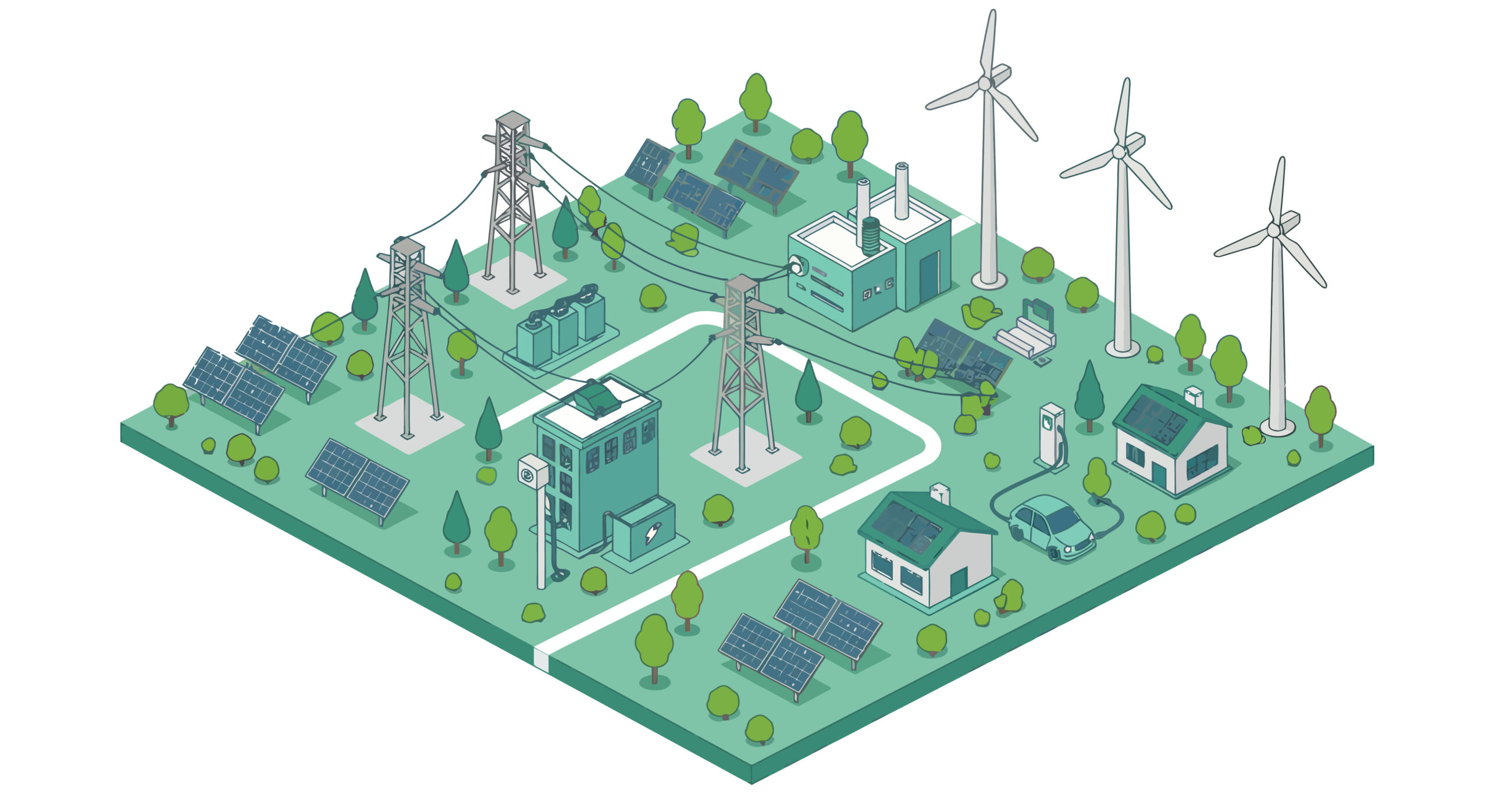
- Interconnection of stakeholders and equipment: producers, consumers, storage facilities, electric vehicle charging stations and sensors communicate in real time via secure protocols.
- Automation and intelligent control: smart grids use complex algorithms and SCADA systems to adjust production and distribution patterns based on variations in demand and the availability of renewable energy sources.
- Flexibility and resilience: the ability to integrate intermittent sources (solar, wind), manage consumption peaks and quickly isolate areas in the event of a grid incident.
- Interaction with customers: thanks to smart meters (e.g. Linky), consumers become “prosumers” (producers-consumers), able to participate in load shedding, self-consumption or storage mechanisms.
Smart grids are not limited to physical infrastructure
This development is based on a logic in which data plays a central role: the performance of the smart grid depends directly on the quality, granularity and speed of the data exchanged.
Smart grids are therefore not limited to physical infrastructure. They rely on software systems capable of processing massive volumes of data in real time to optimise the stability, security and profitability of the grid.
Challenges and benefits for energy stakeholders
Smart grids represent a strategic response to the current challenges facing the energy sector. Their implementation brings tangible benefits for network operators, local authorities and consumers. At the same time, they meet the requirements for decarbonisation, efficiency and resilience.
Integration of renewable energies and real-time control
Smart grids enable intermittent sources such as solar and wind power to be integrated without compromising grid stability. In addition, thanks to production forecasting algorithms and optimisation systems, they continuously adjust flows to balance supply and demand.
Simultaneous management of production and consumption, based on real-time data, ensures network stability and optimal use of energy resources.
Loss reduction and flow optimisation
Smart grids use sensors and SCADA systems to detect anomalies, anticipate congestion and reduce technical losses. This proactive monitoring improves service quality and reduces operating costs.
Customer accountability
Consumers are becoming prosumers: they can produce, consume and store their own energy.
Smart grids promote self-consumption, participation in load shedding mechanisms and dynamic usage management via digital interfaces.
Smart grids: a lever for optimising investments and resilience
By leveraging data from smart grids, managers can anticipate reinforcement needs, avoid oversizing and extend the life of infrastructure. In addition, the ability to quickly isolate an area in the event of an incident enhances the resilience of the system.
In summary, smart grids are not limited to technical modernisation. They establish a new energy model that is more flexible, participatory and focused on network performance and resilience.
Who is ALTSIS?
ALTSIS offers a comprehensive range of products for GRDs, suppliers, consultants, etc.
The key role of data in smart grids
Smart grids rely on a digital infrastructure where data is the real driver of performance. Every component of the network – smart meters, sensors, SCADA systems, charging stations – generates information continuously. But this data is massive, heterogeneous and critical, as it determines the stability, security and efficiency of the electrical system.
Data characteristics in smart grids
- Volume and granularity: millions of measurement points can be collected every day, with frequencies ranging from a few seconds to several minutes.
- Variability: data from multiple sources (production, consumption, storage, weather) requiring harmonisation.
- Criticality: an error or delay in processing may result in network imbalances or overloads.
Why is advanced management essential?
- Collection and integration: data must be retrieved in real time from dispersed and interconnected equipment.
- Cleaning and validation: removal of duplicates, detection of inconsistencies, standardisation of formats.
- Historisation and traceability: secure storage for predictive analysis and regulatory reporting.
- Intelligent restitution: transformation of raw data into actionable indicators via dashboards, APIs or decision-making systems.
MDM (Meter Data Management) platforms play a central role in orchestrating these processes.
They enable data flows to be structured, data quality to be ensured, and data to be made available for critical applications: load forecasting, flow optimisation, anomaly detection, and dynamic infrastructure management.
Without robust data management, smart grids cannot achieve their flexibility and efficiency objectives.
This is why solutions such as Opéra from Altsis incorporate advanced modules for collection, analysis and visualisation. These modules ensure optimal use of information in a secure and interoperable environment.
How does Altsis support smart grid projects?
The Altsis Opera platform is designed to meet the needs of network managers and local authorities in the context of smart grid projects.
Its strengths:
- Native integration with Linky and data collection systems
The Altsis Opera platform connects directly to existing infrastructure, including Linky smart meters and information collection systems (SCADA, sensors, etc.). This integration ensures automated collection of metering data, indexes, load curves and technical alerts, without manual intervention. It also ensures the synchronisation of flows, which is essential for the dynamic management of smart grids. - Advanced analysis and monitoring
modules Opéra offers customisable dashboards. These allow you to view energy consumption, production and key performance indicators (KPIs). Features include anomaly detection, performance monitoring by site or PDL, and regulatory reporting. An alert system based on configurable thresholds allows you to anticipate deviations and take action to prevent exceedances. - Interoperability and IT integration
The solution is designed to integrate easily into the digital ecosystem of energy players. It is compatible with ERP systems, SCADA systems, billing tools and energy monitoring platforms. This interoperability ensures smooth data flow and process automation. As a result, it reduces the risk of errors and improves operational responsiveness.
Concrete use case for integrating smart grid data into Opéra
- Collective self-consumption: Opéra collects, analyses and shares data from collective self-consumption infrastructure.
- Production forecasting algorithm: Opéra offers a production forecasting module for intermittent sources (solar, wind). This algorithm enables producers and network managers to anticipate electricity flows on the network.
With Opéra, data becomes a strategic lever. It enables you to anticipate needs, reduce costs and improve service quality.
Data at the service of smart grids: a major driver of the energy transition
Smart grids are at the heart of the energy transition. They enable the integration of renewable energies, improve flexibility and empower consumers to take control of their consumption. Their effectiveness relies on rigorous data management. Solutions such as Altsis’ Opéra enable you to transform this data into powerful management tools.
Request a Demo
Contact us today for a personalised demonstration and discover how to optimise your smart grid projects.