The French electric system is based on a complex architecture involving numerous players: producers, transporters, suppliers, consumers and institutional players. At the heart of this organisation, distribution system operators (DSOs) play an essential role in ensuring the continuity and quality of the electricity supply.
But what exactly does this function entail? What are its responsibilities and how does it interact with other stakeholders? This article explains the role of GRDs, the data they manage, the challenges of collaboration, and how Altsis facilitates this integration.
What is a DSO and what is its role?
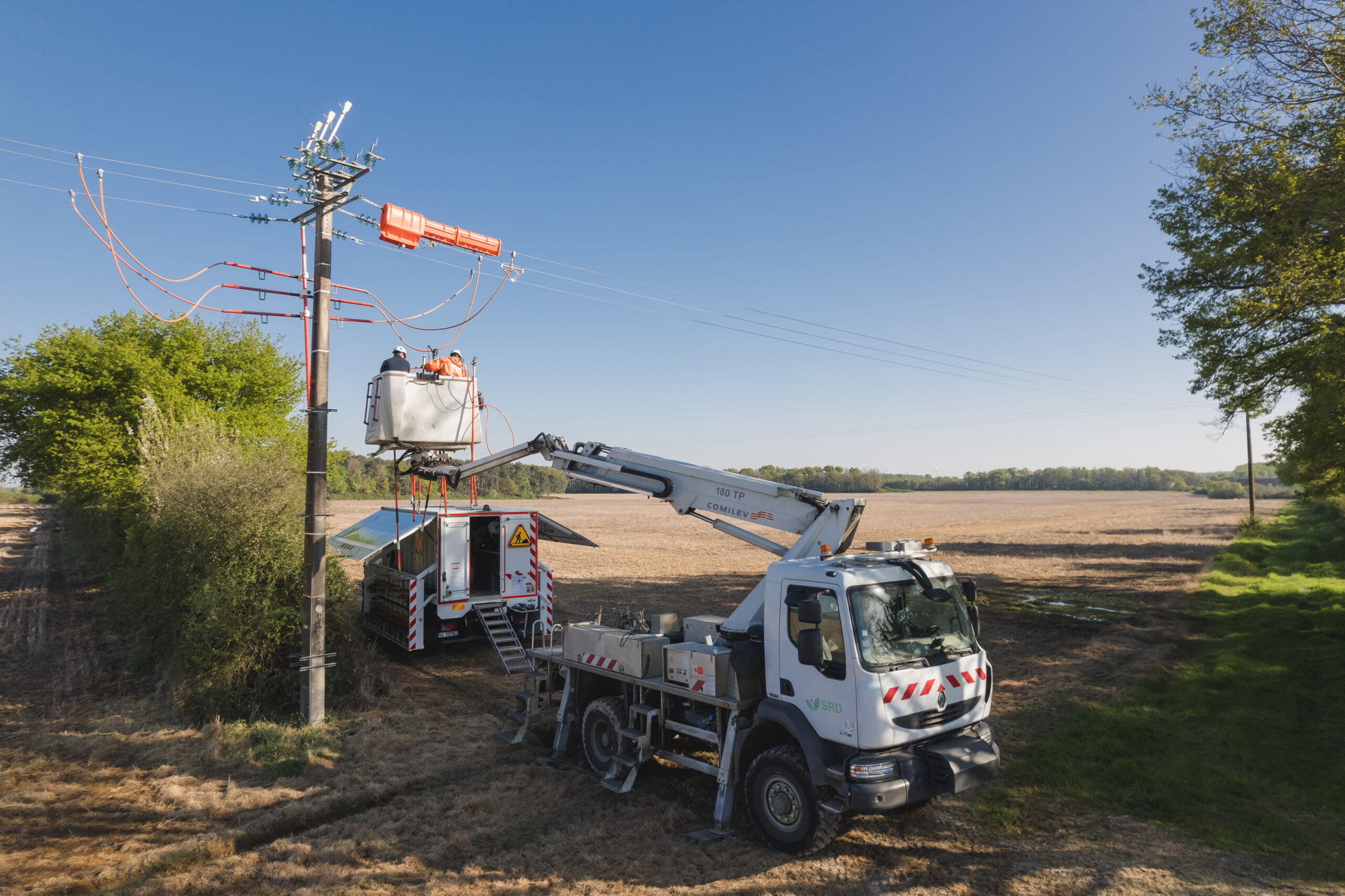
A Distribution Network Operator is an entity responsible for the operation, maintenance and development of low-voltage (LV) and medium-voltage (MV) electricity networks, which supply end consumers.
These public distribution networks are the intermediate link between high-voltage transmission (managed by RTE) and customer installations.
Its main mission is to ensure the safe and reliable distribution of electricity to end consumers. The electricity carried on the network is either drawn from the transmission network via substations or fed in by production sites directly connected to the distribution network.
In mainland France, Enedis, formerly ErDF and a subsidiary of EDF,covers approximately 95% of the territory. Local Distribution Companies (ELDs in French) supplement this system in specific areas.
In overseas territories, distribution is handled by dedicated operators such as EDF SEI (Systèmes Énergétiques Insulaires). These operators have to deal with specific constraints: isolated networks, local production, and integration of renewable energies.
Distribution System Operators (DSOs) are remunerated through the electricity network usage tariff (TURPE). They are subject to public service missions and regulatory obligations defined by the Energy Regulatory Commission (CRE). These obligations guarantee, in particular, non-discrimination between suppliers, the maintenance of service quality and a commitment to data transparency.
Data managed by Distribution System Operators
Distribution system operators collect and centralise a considerable volume of data related to consumption and the state of the network. Key information includes:
- Consumption index: readings from smart meters (Linky), generally every 10 minutes for remotely read customers.
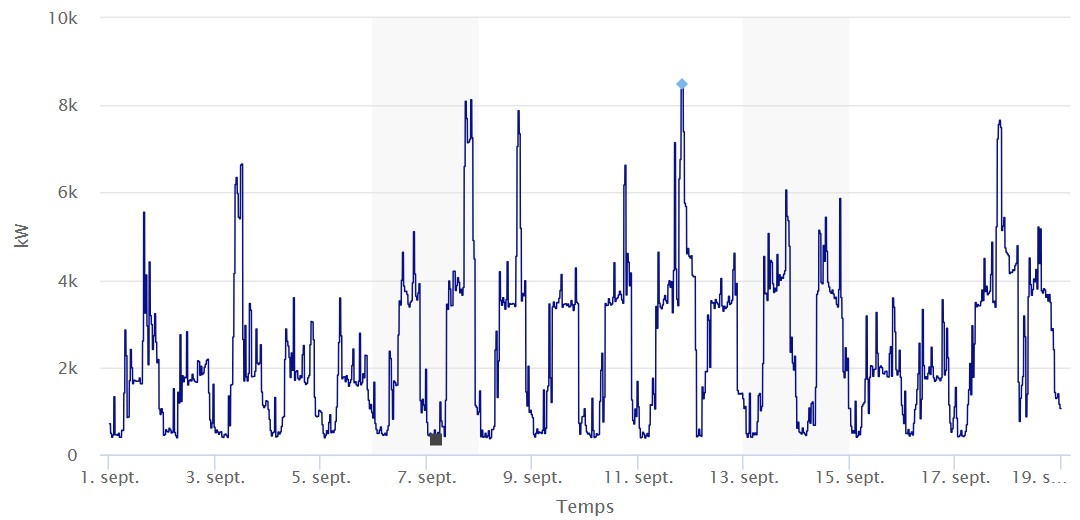
- Load profils: time series detailing the power demand, essential for flexibility and load reduction analyses.
- Alerts and interruptions: scheduled interruptions, incidents, exceeding contracted power.
Formats are standardised (CSV, XML, or via REST API), with secure protocols (HTTPS, OAuth2) to guarantee confidentiality. The frequency of availability varies: daily for curves, monthly for consolidated indices, and near real-time for alerts. This data is accessible via GRD portals or machine-to-machine interfaces. However, its use requires tools capable of managing multiple sources, variable formats and compliance with GDPR constraints.
The accessibility and quality of this information are crucial to the day-to-day operational activities of a DSO.
How can ALTSIS assist you with your data processing?
Contact Altsis for a demonstration of our solutions today.
Challenges of collaboration with DSOs
The relationship with DSOs is strategic for businesses, local authorities and energy suppliers.
Collaboration challenges for electricity suppliers
For energy suppliers, the quality and speed of access to DSO data are crucial for:
- Accurate billing: validated indexes determine the regularity of invoices and the management of discrepancies.
- Consumption forecasts: load profils enable more accurate forecasting models and optimise purchasing on the markets.
- Dynamic offer management: DSO data is essential for offering flexible tariffs or load shedding services on the electricity market.
- Reduction in disputes: greater transparency of DSO data limits disputes related to consumption or interruptions.
The challenges of collaboration between companies and DSOs
For energy-consuming businesses, the challenges are manifold:
- Optimisation of energy contracts: adjustment of contracted power, detection of anomalies.
- Consumption management: real-time monitoring to reduce costs and improve energy efficiency.
The challenges of collaborating with Distribution System Operators
This collaboration raises several technical and organisational challenges:
- System heterogeneity: each DSO (Enedis, ELD, overseas operators) has its own portals, APIs and data formats (CSV, XML, JSON), which complicates interoperability.
- Multiple collection points: for a multi-site operator, thousands of delivery points (PDLs) with different frequencies (daily, monthly, real time) must be aggregated.
- Delays and latency in data flows: certain data, such as consolidated indices, are only available after regulatory approval, which limits responsiveness.
- Regulatory constraints and security: data transmission must comply with the GDPR, secure protocols (HTTPS, OAuth2) and the confidentiality rules imposed by the CRE.
To overcome these obstacles, it is essential to have tools capable of centralising, standardising and exploiting DSO data. Without this, management becomes time-consuming and prone to errors.
How does Altsis facilitate integration with DSOs?
The complexity of exchanges with DSOs—multiple portals, heterogeneous formats, regulatory constraints—requires robust solutions to automate and secure data flows. Altsis’ Opéra solution addresses these challenges with an architecture designed for interoperability and performance.
Connectivity and automation
Altsis connects directly to the APIs of distribution system operators (Enedis, ELD). This integration enables:
- Automatic data retrieval: index, load curves, contracted power, network events.
- Management of flows at different time granularities: daily or monthly, for example.
Data standardisation and quality
Data from GRDs is often disparate (CSV, XML, JSON). Altsis applies standardisation engines. This allows it to standardise formats and ensure their compatibility with other information systems (billing software, energy monitoring platforms). This step includes:
- Consistency checks to prevent anomalies.
- Structuring data to facilitate exchange flows.
Restitution and exploitation
Once centralised and standardised, the data is made available via:
- Dynamic dashboards for monitoring consumption.
- Consolidated reports for analysis, regulatory compliance, and energy strategy.
- API connectors to automate data exchange with third-party platforms
Thanks to this approach, Altsis transforms the complexity of GRD flows into an integrated ecosystem. It thus enables suppliers and large consumers to improve their responsiveness, reliability and performance.
DSOs: key players
DSOs are a key component of the French electricity system. Their role goes beyond simple distribution: they provide essential data for managing consumption and optimising costs.
By leveraging solutions such as those offered by Altsis, it becomes possible to transform these flows into energy performance drivers. Want to learn more? Contact us for a personalised demonstration.
Want to go further?
Discover how Altsis can help you transform your flows into energy performance levers.