
The decentralisation of networks and the diversity of local operators have created a French electricity landscape that is more diverse than it appears. Beyond Enedis, local Distribution Companies (ELD in French) – also known as local energy companies (ELE in French) – manage and often supply electricity (and sometimes gas) in specific areas. Present in around 5% of the country, they are the result of a unique history and specific prerogatives.
In this article, we define what a local ELD is and detail its role and regulatory framework. We clarify its technical specifications and limitations. We also outline the issues related to energy data: indexes, load profils, and access.
Finally, we demonstrate how Altsis is a key partner for local distribution companies. It enables unified and operational monitoring.
Definition and role of ELDs
A Local Distribution Company (ELD) for electricity and gas is a player responsible for distributing electricity and/or gas in areas not served by national operators: Enedis for electricity and GRDF for gas.
As such, the ELD is responsible for maintaining, developing and managing distribution networks. In most cases, the ELD also provides electricity at regulated tariffs (TRV in French) in its area.
What is the main difference between local ELD and Enedis? ELD are local players, often in the form of municipal authorities, SICAE (cooperative companies for the supply of electricity) or semi-public companies. They are involved in several areas of the energy value chain (production, distribution, marketing, services). They contribute to the success of the local energy transition.
In 1906, local authorities were granted the right to manage gas and electricity distribution through public utilities or SICAE cooperatives. Local distribution companies were retained under the nationalisation law of 8 April 1946, which allowed local authorities to continue their role in public distribution on their pre-existing networks.
This framework was supplemented and structured by the Energy Code, which regulates the separation of activities for major players, distribution quality and non-discriminatory management obligations. In 2000, the law introduced the concept of Distribution System Operator (DSO), requiring the separation of distribution and supply activities for ELD with more than 100,000 customers.
Specific features of ELDs
Local distribution companies are distinguished by their specific geographical coverage and operational autonomy.
The geographical coverage of Local Distribution Companies
In their distribution activities, ELDs serve approximately 5% of France, covering nearly 2,800 municipalities and several million consumers. They have historically been linked to local authorities.
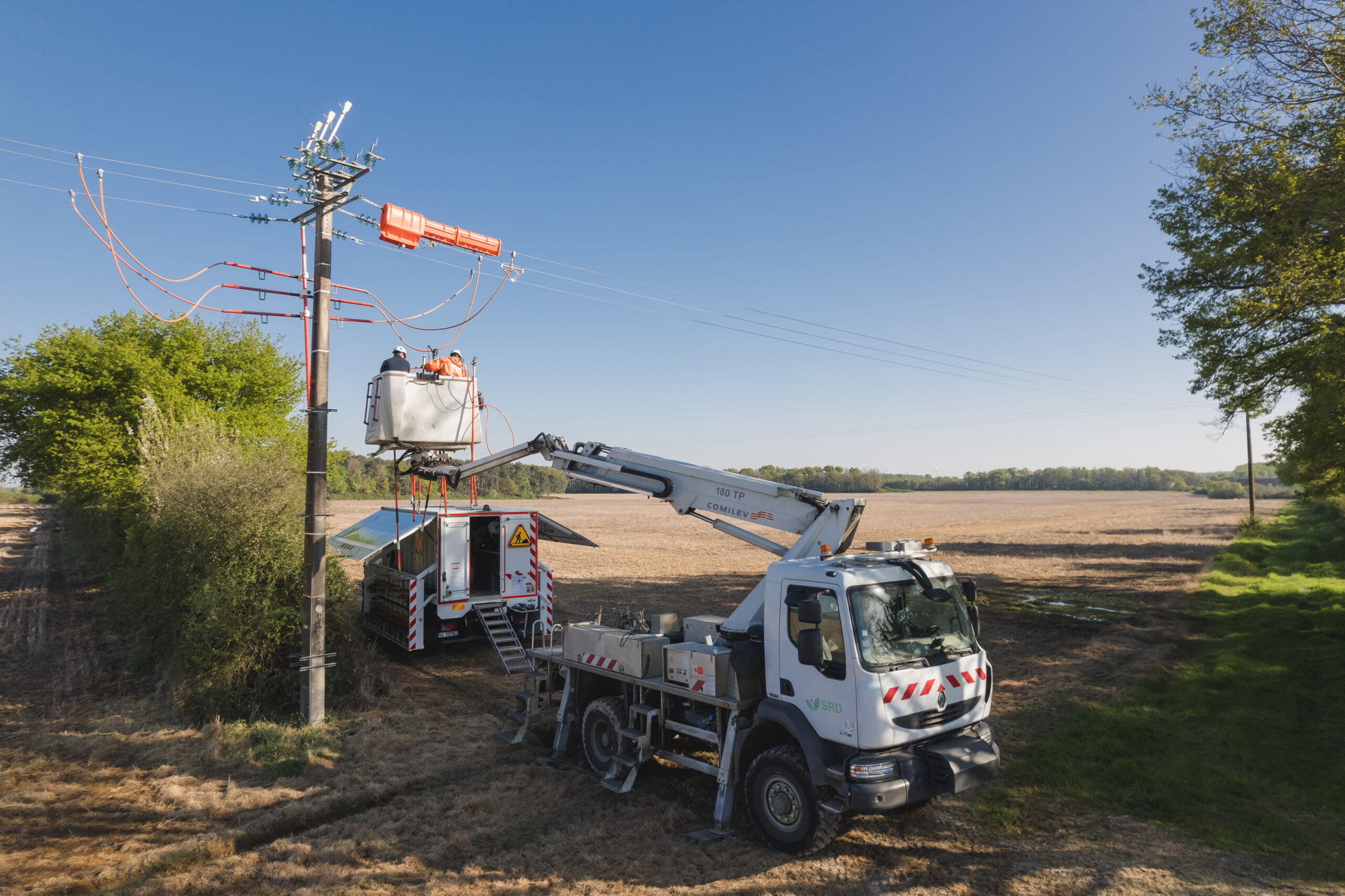
ELD are present in major cities such as Strasbourg (ÉS), Grenoble (GEG/GreenAlp), Bordeaux (Gaz de Bordeaux) and Metz (UEM/Réséda). They are also established in rural or semi-urban areas such as the departments of Vienne (SOREGIES/SRD) and Deux-Sèvres (SEOLIS/Geredis).
This proximity enables them to:
- A thorough understanding of local needs.
- Increased responsiveness for interventions and customer service.
- A privileged relationship with local authorities, promoting local projects
They can carry out other broader activities (production, marketing of their market offering) within the framework of Local Energy Companies. They then have national coverage through subsidiaries or mutualisation structures (e.g. ALTERNA for marketing or HYDROCOP for hydroelectric production).
Operational and technical autonomy of ELDs
ELDs are small-scale businesses that provide public services such as electricity distribution, supply and generation alongside major national players.
They have adapted to changes in the energy sector by developing their activities and new business lines. Majority-owned by local stakeholders (municipalities, metropolitan authorities, inter-municipal associations), they are at the heart of the regional energy transition.
With regard to energy distribution, they have opened up their traditional service areas to competition. They are thus complying with national legal and regulatory requirements.
In conjunction with their software publishers, they have adapted their information systems. They have implemented business procedures and data exchange rules. These rules concern alternative energy suppliers operating on their networks.
Ask about the solutions implemented by ALTSIS to support Local Distribution Companies (ELDs).
Energy data issues
To manage its consumption, a business, local authority or individual must know its meter readings. It must also have access to its load profils (not 10–30 minutes) and information on power demand. Reliable
historical data and usable files (CSV or JSON, for example) are also necessary.
In the absence of a national standard, access to data varies from one distributor to another. Channels include customer portals, curve exports, aggregated reports, simulators, APIs, or files sent by email.
The granularity of the data (30 minutes or hourly), the depth of history and the authentication/mandate methods also differ.
This variability poses several challenges:
- Availability times: consolidation times may vary depending on the distributor, which complicates “D-1” dashboards or near real-time alerts.
- File formats: disparities in headers, columns, time steps and conventions (cumulative indices vs. energy per step), which require specific manual processing before any analysis can be performed.
- Consent and mandates: delegating access (multi-site, multi-ELDs) requires different administrative processes, with legal scopes defined by the Energy Code and managers’ policies.
- Multisites & portfolios: for a group operating in Enedis areas and several ELDs, cross-functional consolidation (C1/C2/C3/C4/C5 for electricity, aggregation by site/activity) requires specialised software.
In short, the data ecosystem provided by distributors (ENEDIS and ELDs) is relatively broad. This makes a standardisation intermediary crucial.
It enables raw data to be transformed into harmonised and reliable data.
How Altsis Opera simplifies data management
The Altsis Opera solution has been designed to manage data diversity.
It offers a unified experience for businesses and local authorities.
The Opera software also enables centralised consolidation of metering data, which is essential for electricity suppliers.
Opéra thus integrates:
- Data flow standardisation: ingestion of files and extractions from Enedis and multiple ELDs, harmonisation of time steps and units, correction of timestamps. The result is a common data structure (delivery points, power or energy time series and metadata).
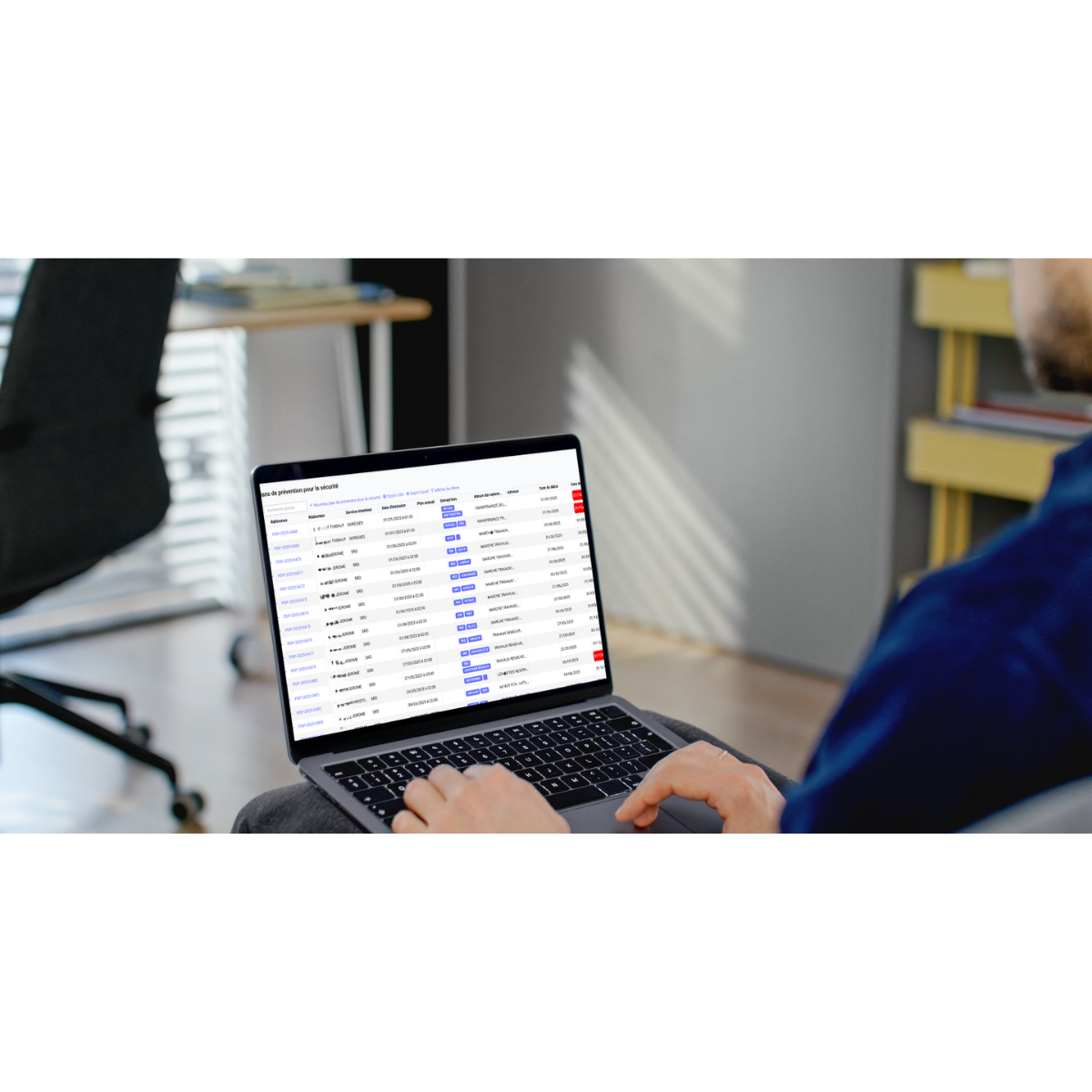
- Centralisation of data on a single interface: a single dashboard brings together Enedis and ELDs sites, with filters by entity, region, activity and segment (C1 to C5). Opéra offers the possibility of cross-referencing consumption, maximum power and costs.
- Automation: planning imports, exports (CSV/XLSX/JSON) and periodic reports.
Beyond data collection, Altsis’ Opéra solution transforms heterogeneous data into actionable information. The software enables cross-site comparisons and the detection of discrepancies. It simulates the impact of contractual power. It also tracks gains related to load shedding and energy efficiency.
The objective: to reduce the time spent searching for files and increase the value of business analyses.
ELDs, lesser-known but important players in the French electricity system.
ELDs are key players in the French electricity system. Their local roots, history and operational performance explain the special role they play in serving their local areas.
A business model recognised at European level, ELDs are an effective regional lever for energy transition.
To manage multi-territory sites effectively, a tailored solution is required.
This solution must centralise and standardise information.
Opéra, Altsis’s MDM (Meter Data Management) software, meets this requirement.
Request a demo or contact us to assess how Altsis can streamline your multi-ELDs tracking and improve the efficiency of your processes.