In a context where the digitisation of energy infrastructure is accelerating, meter data management is becoming a strategic issue. Correctly identifying meters and their associated information is essential for optimising consumption and managing contracts. However, confusion is common between meter numbers, PDL and PRM. This article explains what a PRM (Measurement Reference Point) is and its role in the electric ecosystem. We will look in particular at their use by grid operators (DSOs) such as Enedis and energy suppliers.
This article then describes how Altsis simplifies its operation for multi-site or multi-stakeholder organisations.
What is a PRM?
The PRM, or Measurement Reference Point, is a unique identifier assigned to each electric metering point by the grid operator (such as Enedis or Local Distribution Companies – ELD). It plays a fundamental role in the traceability and reliability of energy data. In practical terms, the PRM corresponds to the precise location where consumption is measured. This measurement is independent of the physical meter or the current contract.
This distinction is essential: unlike the PDL (Point of Delivery), which is linked to energy supply and the electricity contract, the PRM focuses on metering. It remains stable even if the electricity meter is replaced or if you change suppliers. This makes it a reliable benchmark for managing metering information such as index readings and load profils.
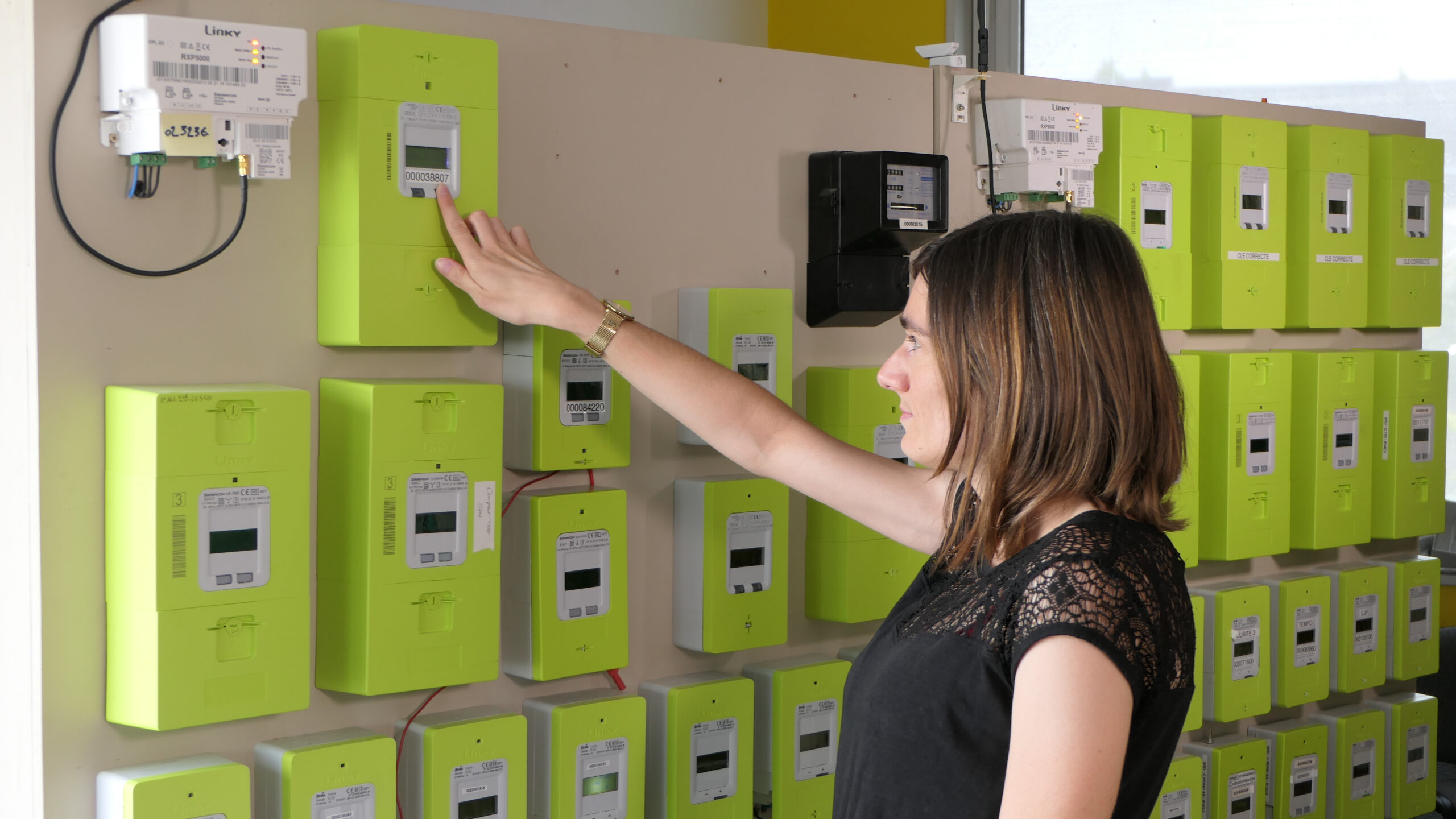
In the Linky ecosystem, the PRM is the key to accessing detailed consumption data. It also allows you to track history and perform technical operations such as remote meter reading, remote commissioning, and changes to contracted power. It is therefore essential for any energy monitoring, cost optimisation, or regulatory compliance initiative.
Digital solutions for energy stakeholders
Do you have any questions about the products offered by ALTSIS?
How to find and use a Measurement Reference Point?
Identifying your PRM number is simple, but you need to know where to look for it. It is usually found on your electricity bill (or on the previous occupant’s bill), under the heading “Point de Référence de Mesure” or “PRM”, consisting of 14 digits.
These 14 digits represent a unique identifier with no standardised meaning or explicit segmentation. Each distributor independently generates its own range of numbers assigned to it.
You can also find the number via your supplier’s customer portal or on the grid operator’s online customer area.
Why is it so important? Because the PRM is the key to access your energy data. It allows you to:
- To view your consumption graphs and history.
- To carry out procedures such as changing suppliers, commissioning or modifying power.
- Integrate your information into energy monitoring tools to optimise your costs and anticipate your needs.
In summary, knowing your PRM means having a unique identifier for your consumption location, enabling you to manage your energy efficiently, whether you are a private individual or a multi-site business.
Utilisation of PRMs in data management tools
In a multi-site or multi-stakeholder environment, PRM management is crucial for structuring and ensuring the reliability of energy data. Each PRM represents a unique metering point, used not only by companies for monitoring purposes, but also by grid operators and electricity suppliers to ensure the consistency of their activities.
- Grid operators: The PRM is the technical benchmark for remote meter reading (Linky residential meters or PME-PMI industrial meters). It enables remote commissioning, changes to contracted power and various maintenance operations. It guarantees the traceability of energy flows and data synchronisation between systems.
- Energy suppliers: They use PRM to link consumption data to contracts and generate invoices. It also allows them to manage supplier changes without risk of error.
In Meter Data Management (MDM) platforms, PRM becomes the key to:
- Aggregate and standardise data from multiple sources (grid operators, energy suppliers).
- Structure information in databases or data lakes for advanced analysis.
- Automate exchanges via secure APIs, ensuring GDPR compliance and data reliability.
These tools enable:
- Near real-time monitoring of consumption by PRM, with hourly or daily granularity.
- Intelligent alerts based on thresholds or algorithms for detecting anomalies in the electrical network (drift, outages, excessive consumption).
- Predictive analytics to anticipate consumption peaks and optimise contracts.
By integrating PRMs into a multi-site/multi-client approach, companies consolidate their energy indicators, automate regulatory reporting (ISO 50001, tertiary decree) and manage their energy performance objectives.
Why choosing Altsis to centralise your PRM?
Large-scale PRM management requires tools capable of ensuring interoperability, automation and data security. This is precisely what Altsis offers. Its Opéra platform is designed to integrate natively with the Linky ecosystem and the systems of network operators and energy suppliers. This integration guarantees reliable, real-time retrieval of metering data such as consumption indices and load curves.
With Altsis, you benefit from:
- Multi-source consolidation: automatic aggregation of data from hundreds of PRMs, regardless of the network manager.
- Advanced interoperability: Secure APIs to connect your PRM data to your ERP systems, reporting tools, map databases, or other Meter Data Management systems.
- Flow automation: data synchronisation without manual intervention, with integrated anomaly management and alerts. This synchronisation can be accompanied by a VEE (Validation, Estimation, Editing) procedure, which improves the reliability and integrity of data from PRMs.
- Security and compliance: Transactions are encrypted in accordance with the latest standards in compliance with the GDPR. The Opéra solution also offers complete traceability of operations.
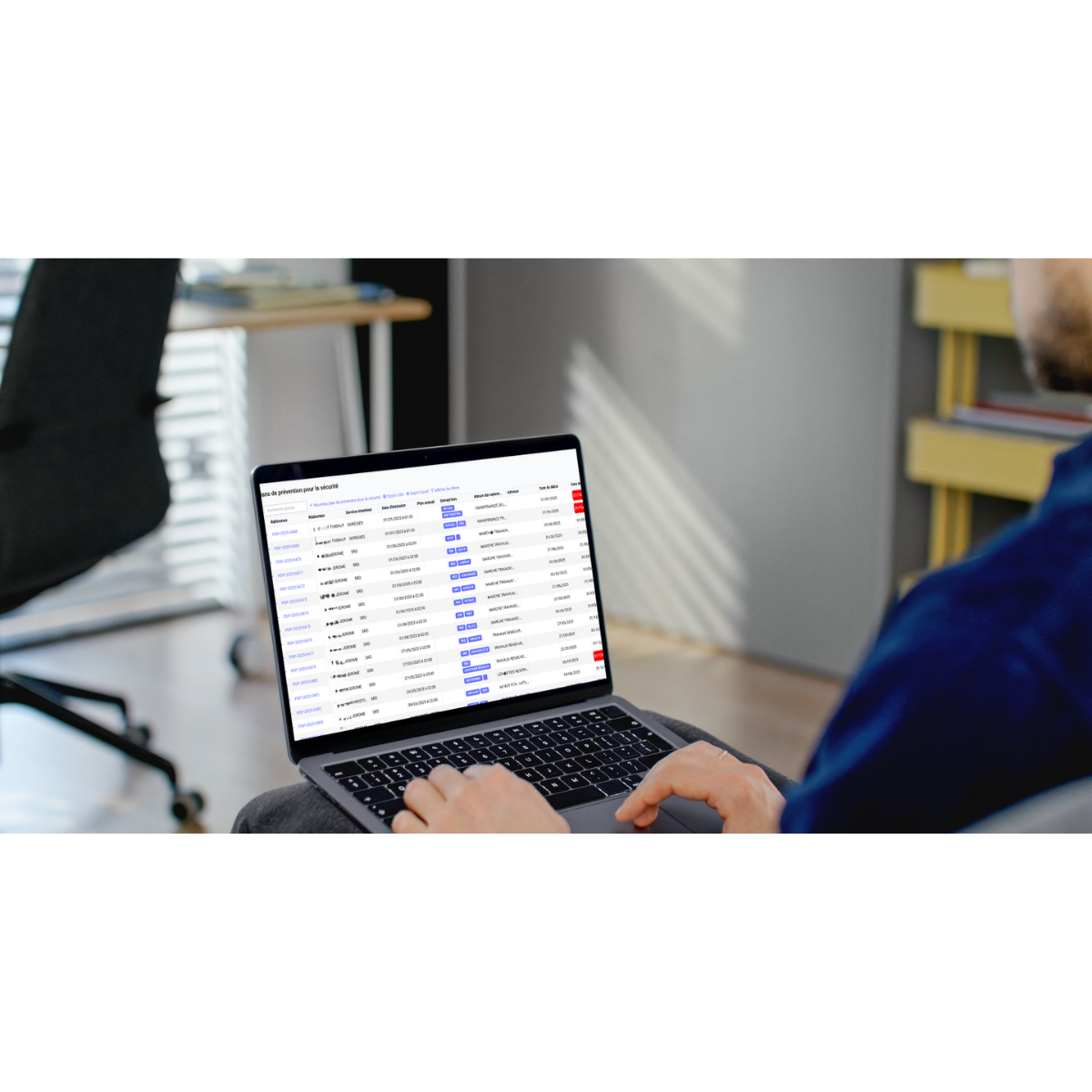
- Intelligent visualisation: Opéra offers dynamic dashboards and advanced filters with the option of customised exports for audits and regulatory reporting.
By choosing Altsis’ Opera solution, you can transform the complexity of PRM into a strategic advantage.
For grid managers and suppliers, Opéra allows you to simplify and automate PRM management. Businesses and local authorities, meanwhile, will be able to manage their consumption, optimise contracts and achieve their energy performance targets.
PRM: The key to control your data
Mastering your PRMs means mastering your energy data. In a context of customer service digitalisation and energy transition, centralising and correctly exploiting these identifiers allows you to transform scattered data into reliable and actionable indicators.
Contact us today for a personalised demonstration.
OPERA solution
To simplify this management and optimise your performance, discover how the Altsis Opera platform can support you.