The prevention plan is an essential document for ensuring worker safety during operations carried out by external companies or service providers. It is mandatory whenever there is coactivity or a particular risk. It serves as a formal framework for analysing hazards, preventing risks, defining occupational risk prevention measures and organising responsibilities.
Faced with demanding regulations (notably the decree of 19 March 1993 – french legislation) and increasing volumes of operations, digitalisation is gradually establishing itself as a structural response. The use of prevention plan software is transforming the way companies manage safety: greater rigour, greater traceability and easier coordination between stakeholders.
The limitations of manual management of prevention plans
Preparing a risk prevention plan in Excel or on paper can quickly reveal its limitations. There is a high risk of errors or omissions (unfilled fields, obsolete versions, missing signatures), which compromise the document’s compliance.
Added to this is the significant processing time required to locate a version, send it to the relevant parties, follow up on feedback and verify signatures. These are all tasks that unnecessarily take up the time of HSE (Health, Safety and Environment) teams, operators and general services.
In a multi-site context, coordination becomes even more complex: each site applies its own templates, documents are circulated by email, and version management becomes uncertain. For all these reasons, the implementation of intervention management or prevention plan digitisation software appears essential.
What does ALTSIS offer?
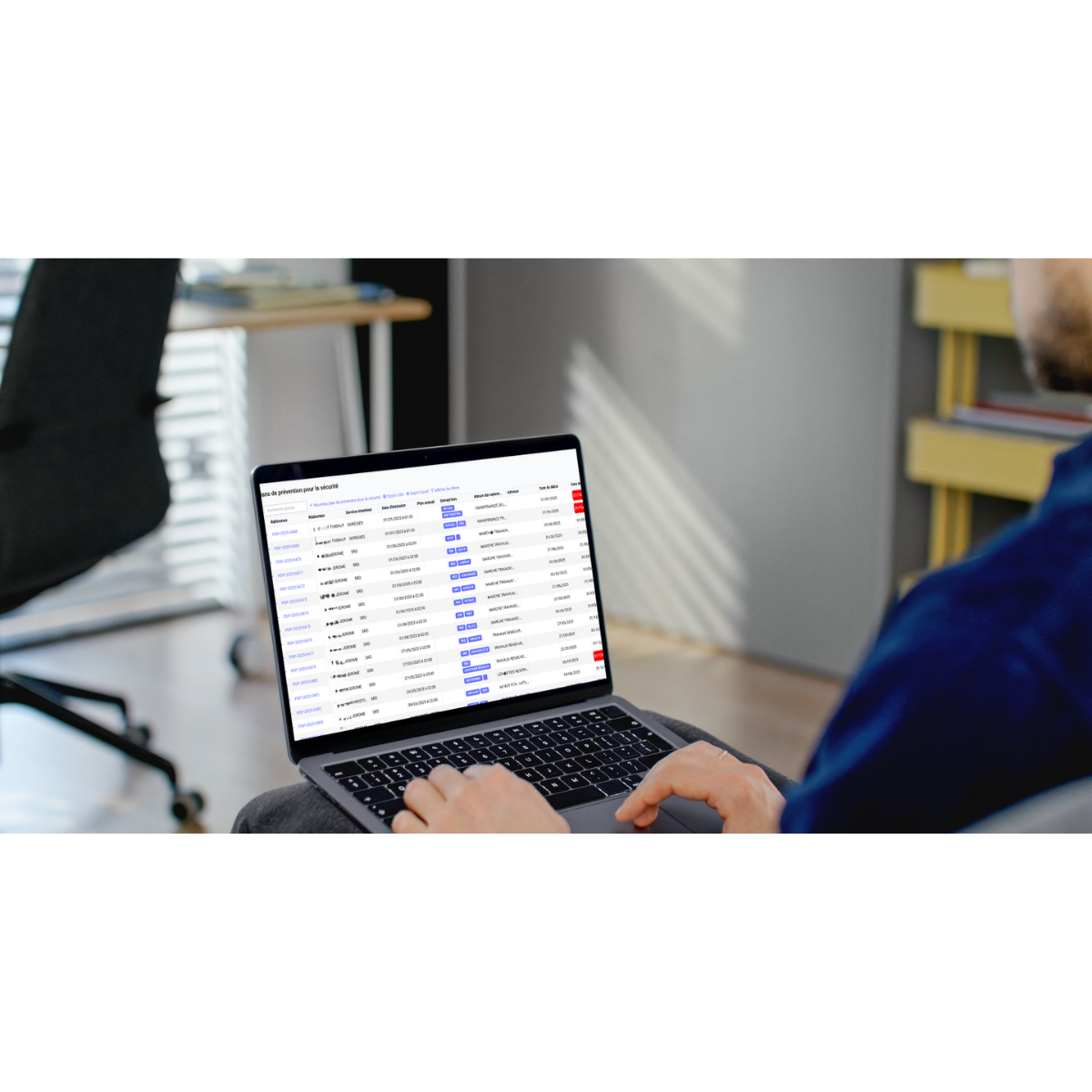
ALTSIS offers a digital solution to ensure compliance: PEGASE
The major benefits of prevention plan management software
Adopting prevention plan software enables you to move from manual management to controlled, centralised and secure management. Several structural benefits can be highlighted.
Guided, centralised document creation
Specialised software provides standardised templates that are automatically updated. Mandatory fields, specific risks and regulatory sections are pre-filled or assisted, limiting the risk of omissions. All plans are centralised in a single interface, accessible according to defined rights.
Real-time tracking of validations and signatures
Integrated workflows allow you to track progress at a glance: document being drafted, reviewed, signed or approved. External parties can sign online, even from a smartphone. This visibility enhances compliance and prevents work from starting without prior approval.
Automatic updating of regulatory requirements
Regulations and labour codes are constantly evolving, particularly with regard to risks associated with simultaneous activities, explosive atmospheres and electrical work. Software ensures that models are up to date and consistent across all sites, without relying on potentially obsolete local versions.
Secure archiving and full traceability
Prevention plans are stored in a secure space with a complete history: version used, date of signature, identity of each contributor, imported supporting documents, and any comments. This traceability strengthens the company’s ability to demonstrate compliance in the event of an audit, inspection, or incident.
Automated notifications and shared access
Reminders for signatures, due dates, changes made or updates required are sent automatically. Internal teams and service providers have dedicated access, preventing information gaps. This streamlines coordination and significantly reduces processing times.
By combining automation, standardisation and collaboration, the right software can reduce human error, improve the quality of plans and make operations more secure, while also lightening the administrative load on teams.
Concrete use cases for prevention plan management software
The following few specific cases illustrate the need to digitise the prevention plan.
Management of a multi-site fleet with prevention plan management software
In companies with multiple factories, branches or technical buildings, prevention plan management software provides a unified overview. The templates used are identical, the data is centralised, and operators can find a document in a matter of seconds. This ensures overall consistency in safety policy, regardless of the site.
Emergency or recurring interventions
For repetitive tasks (maintenance, industrial cleaning, internal transport, etc.) or situations requiring a rapid response, the software allows you to duplicate an existing plan, update the risks and have it validated immediately. This saves a considerable amount of time.
High-risk work: electricity, heights, explosive atmospheres
Operations involving electrical authorisations, risks of simultaneous activities or ATEX (explosive atmosphere) zones require strict monitoring. Mandatory fields, attachments (authorisations, certifications, fire permits) and workflows secure the entire process. This allows the company to limit the risks of non-compliance and better protect its employees.
Why choose a solution such as Pégase from Altsis?
The Pégase software published by Altsis enables reliable and user-friendly management of prevention plans.
Modularity and GDPR compliance
The platform adapts to the specific needs of each organisation. It offers customisable modules, detailed authorisation management, strict access control, security protocols and GDPR-compliant hosting.
Interoperability of prevention plan management software with business tools
The Pégase solution can connect to the company’s various information systems (ERP, HR, GIS). Prevention plans are thus integrated into a coherent digital ecosystem. Data is synchronised and users avoid double entries.
Operations-focused interface
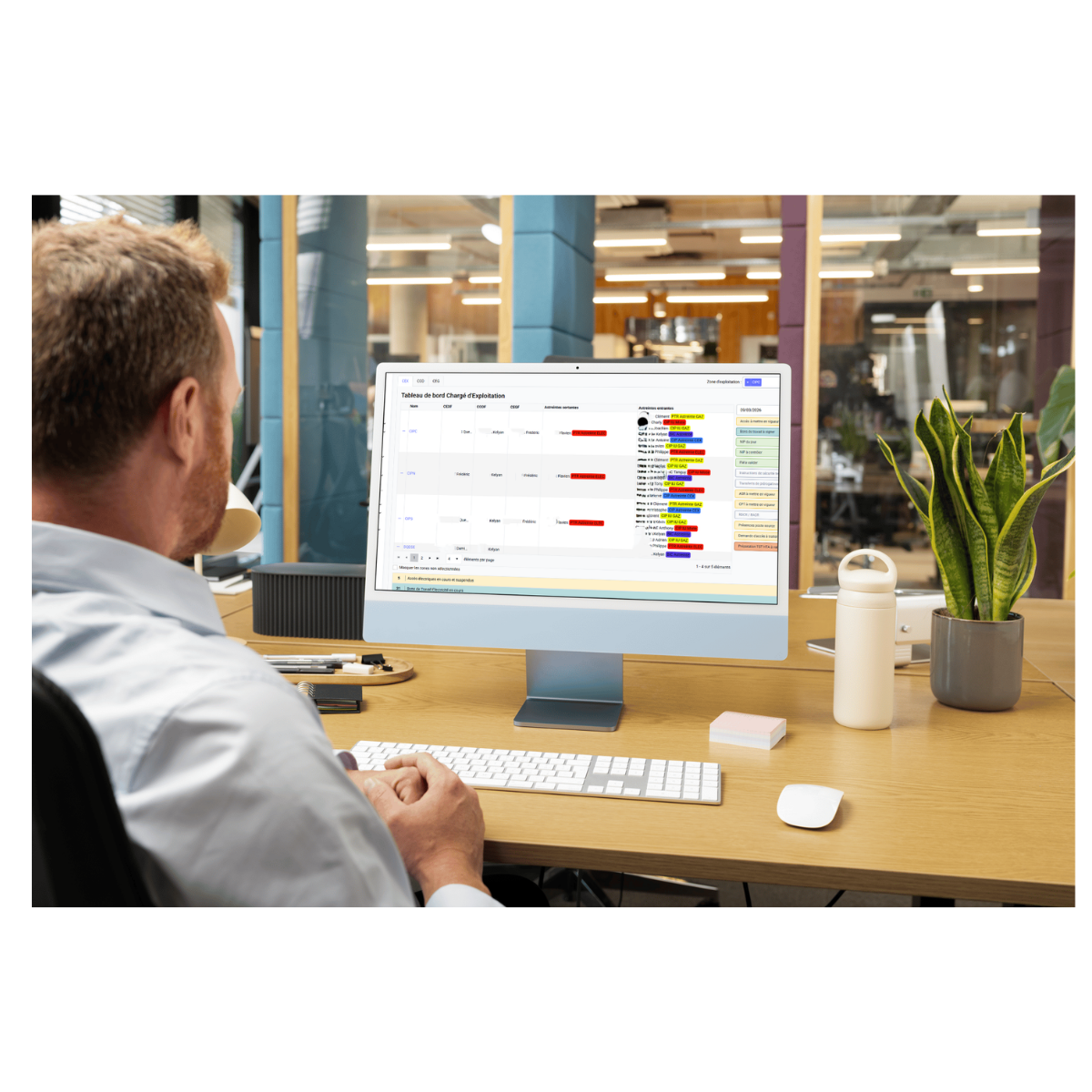
Altsis’ Pégase software is designed for operational teams. It offers intuitive navigation, guided forms, photo integration, mobile signatures and access to the prevention plan on tablets. Operators gain autonomy and speed of execution.
Conclusion: digitally transform your prevention plan to improve safety and performance
By digitally transforming theirprevention plans, user companies gain in reliability, traceability and responsiveness. Dedicated software simplifies coordination, reduces errors and ensures constant compliance. It transforms the prevention plan into a real lever for performance and operational safety.
Would you like to see the features of PEGASE in action?